
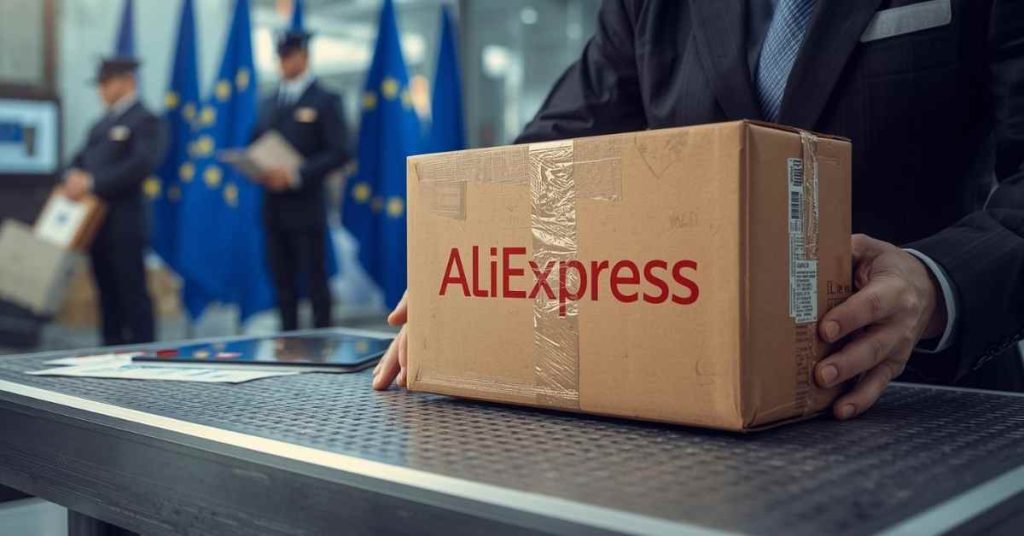
The European Union has ended a long-standing customs duty exemption for low-value parcels, effective July 1, 2026, introducing a flat €3 fee per item or parcel on imports under €150. This change targets platforms like AliExpress, which have thrived on cheap, direct-to-consumer shipments from China, and signals a broader push for fair competition in Europe’s booming e-commerce market.
As a journalist with over 23 years covering global e-commerce, I have watched cross-border trade reshape retail landscapes. These rules mark a turning point, forcing Chinese marketplaces to rethink pricing and logistics while giving European sellers a fighting chance.
EU’s Push for Fair Play
EU finance ministers agreed in late 2025 to scrap the €150 duty-free threshold, a move welcomed by local retailers tired of competing with ultra-cheap imports. The new €3 flat customs duty applies per parcel or item category, stacking up quickly for multi-item orders, on top of VAT already collected via the Import One Stop Shop (IOSS) since 2021. taxation-customs.
This reform stems from the 2023 Customs Reform proposal, accelerated due to the e-commerce boom. Over 4.6 billion low-value parcels hit the EU last year, with more than 90% from China, doubling in volume and overwhelming customs systems. French Finance Minister Roland Lescure called it “a major victory for the European Union,” stressing protection of the single market and consumer safety.
The rules aim to level the field between direct imports and bulk shipments used by traditional retailers. Platforms must now ensure compliance, or face delays, fines, and lost sales.
How the Rules Hit AliExpress Hard
AliExpress, Alibaba’s global arm, built its EU success on low-cost gadgets, clothes, and accessories shipped directly from Chinese sellers. Without the exemption, a €20 order of three items could add €9 in duties plus VAT and handling fees, pushing total costs up 30-50%.
Since 2021’s IOSS, marketplaces collect VAT upfront for parcels under €150, speeding clearance but not covering duties. The 2026 change adds duties, eroding AliExpress’s edge. Projections show small parcels surging past last year’s 4.6 billion, mostly Chinese, straining logistics.
European retailers like those in fashion and electronics cheer this. Barry Andrews, an Irish EU lawmaker, backed even higher fees if needed to curb the influx. AliExpress has not issued a detailed response yet, but peers like Temu and Shein face similar squeezes, with some already hiking prices or localising stock.
Past Reforms Set the Stage
The EU’s e-commerce tax evolution started with the 2021 VAT package, scrapping distance-selling thresholds and expanding OSS to €10,000 EU-wide (zero for non-EU firms). This forced platforms to handle VAT at checkout, reducing surprises for buyers but shifting burdens to sellers.
IOSS simplified declarations via one EU portal, boosting compliance for Chinese exporters. Yet duties remained exempt below €150, letting AliExpress undercut locals. Now, full reform eyes a 2028 EU Customs Agency and Data Hub for real-time tracking.
Cross-border e-commerce hit €275.6 billion in Europe in 2024, 36% of total online sales worth €765.6 billion, growing at 12% CAGR. China dominates 91% of sub-€150 parcels, fueling calls for change.
Market Data: The Scale of Change
| Metric | 2024 Figure | Projected Impact Post-2026 |
| Low-value parcels to EU | 4.6 billion (90%+ from China) | Surge expected; duties to slow volume |
| Cross-border e-comm value | €275.6 billion (36% of €765.6B total) | Price hikes 20-50% on Chinese goods |
| AliExpress-like platforms share | Dominant in fashion/electronics | Compliance costs up; sales dip forecasted |
| EU e-comm growth | 2.1% YoY; 12% CAGR | Local sellers gain 10-15% market share |
This table highlights the stakes. Duties could add €13.8 billion in revenue if volumes hold, but expect 20-30% drop in cheap imports.
Voices from the Industry
European groups like EuroCommerce have lobbied hard, arguing Chinese platforms dodge product safety rules. “This exemption creates unfair competition,” notes the EU Commission, as direct parcels bypass bulk import checks.
On the flip side, consumer groups worry about higher prices. AliExpress buyers, often hunting bargains under €50, may turn to Amazon or Zalando. One analyst estimates 15-25% order value erosion for non-compliant sellers.
French pressure drove the deal, with 800 million parcels last year alone. Temu pulled deceptive games amid scrutiny, showing platforms adapt under fire.
Broader Implications for Global e-Commerce
These rules ripple worldwide. US de minimis cuts echo this, hitting AliExpress there too. Platforms may shift to EU warehouses, raising costs but cutting duties, like Shein’s moves.
For AliExpress, Europe is key; sales here grew 20% yearly pre-reform. Expect price tweaks, seller exodus, or IOSS upgrades. Long-term, it boosts compliance, safety, and local jobs.
Sellers must track categories: a clothing parcel with shirts and pants counts as two, doubling fees. Tools like eClear help Chinese firms comply.
What Lies Ahead
By mid-2028, the EU Customs Data Hub will automate duties, with a temporary fix from 2026. Platforms face data reporting mandates pre-shipment.
AliExpress could localise more, partner with locals, or absorb costs briefly. But thin margins limit that. European e-commerce, at €300 billion+ in 2023, grows to €3.3 trillion globally by 2033 at 9.6% CAGR.
Consumers get safer goods; retailers get fairer odds. Watch sales data post-July for real impact.
A New Era for Cross-Border Trade
The EU’s tax evolution closes loopholes that fueled AliExpress’s rise, prioritising fair play over bargain floods. This protects 27 markets, cuts fraud, and modernises customs for e-commerce’s future. Platforms adapt or shrink; Europe strengthens. With volumes exploding, these rules ensure sustainable growth, not unchecked imports. Over my career, such shifts redefine winners: compliance now trumps cheap shipping.