
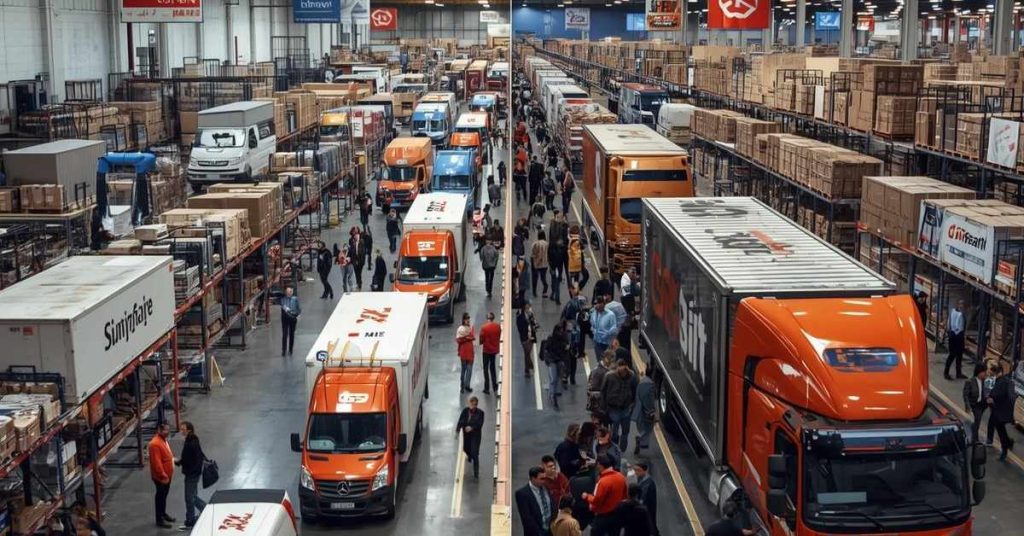
Top 5% of US Ecommerce Brands Capture 54% of 147% Order Surge
US ecommerce orders exploded by 147% year-over-year in 2025, but the gains went mostly to a tiny elite. The top 5% of brands grabbed 54% of that massive growth, leaving the rest of the market to scrap for crumbs.
The Surge in Numbers
Fresh data from Omnisend paints a clear picture of uneven prosperity in American online retail. Their analysis of tens of thousands of US-based small and medium-sized ecommerce brands shows order volume across all channels surged 147% from 2024 to 2025. That is not just growth; it is a boom fueled by post-pandemic habits sticking around, smarter marketing, and consumers spending more per click even as they buy less often.
What stands out is the concentration. The top-performing 5% of these brands drove 54% of the total order increase. Put another way, while the overall market ballooned, 95% of brands shared just 46% of the new orders. This lopsided split echoes broader trends where scale begets more scale in digital markets.
Omnisend’s report highlights how shoppers clicked less but spent more, boosting average order values for winners. For context, total US ecommerce sales hit around 1.3 trillion dollars in 2025, up sharply from prior years, with projections pushing toward 2 trillion by the decade’s end.
Who Are the Winners?
Giants like Amazon lead the pack, holding 37.6% of the US ecommerce market share in recent tallies. Walmart trails at 6.4%, Apple at 3.6%, eBay at 3%, and Target at 1.9%. These numbers from 2024 held steady into 2025, as top players leveraged their ecosystems to capture surging demand.
But Omnisend’s study focuses on SMBs, where even among smaller players, a select few skyrocketed. Platforms matter too: Shopify powers about 30% of US online stores, followed by Wix at 23% and Squarespace at 16%. Brands on these tools that nailed email, SMS, and personalization saw outsized gains.
Consider Amazon’s third-party sellers, who make up 60% of its gross merchandise value. They benefit from the platform’s network effects, where more buyers draw more sellers in a virtuous cycle. Walmart blends its 4,600 physical stores with fast delivery, grabbing groceries and essentials from online newcomers.
| Leading US E-commerce Retailers | Market Share (2024-2025) |
| Amazon | 37.6% |
| Walmart | 6.4% |
| Apple | 3.6% |
| eBay | 3.0% |
| Target | 1.9% |
This table shows how a handful of names dominate, mirroring the 5% rule in SMB data.
Winner-Takes-Most Forces at Play
This is classic winner-takes-most dynamics, not quite all-or-nothing but close enough to hurt. Network effects top the list: platforms like Amazon grow more valuable as users flock there, raising barriers for rivals. High multi-homing costs mean sellers stick to one marketplace; jumping costs time and money. strategy-engine.
Economies of scale amplify it. Top brands negotiate better shipping rates, run cheaper ads, and use data to personalise at levels smaller shops can’t match. Big data fuels this: 86% of B2B sellers now use advanced analytics, but in B2C, leaders like Amazon turn shopper insights into loyalty loops.
Tech edges seal deals. AI-driven recommendations, seamless checkouts, and omnichannel blends (online plus in-store pickup) keep winners ahead. Shein and Temu crashed the fast-fashion party, with Shein claiming half the US niche through viral social and dirt-cheap prices.
SMBs in Omnisend’s top 5% likely mastered email and SMS automation, where open rates drive repeat buys. Overall, US ecommerce sites number 2.7 to 3.5 million, but most scrape by on thin margins.
Losers in the Shadow
For the bottom 95%, growth was real but paltry at 93% of total new orders split wide. Many saw flat or declining traffic as algorithms favored big spenders on Google and Meta ads.
Tariffs added pain: nearly 37% of SMBs expected hits in 2025, especially apparel and auto parts sellers. Consumer confidence wobbled under policy shifts, trimming forecasts from 7.9% to 5% growth in some models.
New platforms like Temu lured bargain hunters, squeezing mid-tier brands. With 28 million global ecommerce sites and 1.8 million in the US, competition is brutal; only 14.1% of retail happens online, but margins are tight.
Strategies for SMB Survival
Small brands can’t outspend Amazon, but they can outsmart it. Focus on niches: craft beer shops or custom pet gear thrive where giants don’t bother.
Email and SMS deliver 40x ROI for top performers, per Omnisend patterns. Personalization lifts orders 20-30%; tools like Klaviyo or Omnisend level the field.
Build communities on TikTok Shop or Instagram, where 503 million monthly Temu visits show social’s power. Hybrid models work: use Shopify for direct sales, Amazon for reach.
Data wins: track customer lifetime value. Top 5% brands boosted it via retention, not acquisition. Partnerships with influencers or local pickups cut logistics costs.
| Key SMB Tactics | Impact on Growth |
| Email/SMS Automation | 54% order share for top 5% |
| Niche Focus | Avoids giant competition |
| Social Commerce | Viral gains like Shein |
| Retention over Acquisition | Higher AOV amid fewer clicks |
Broader Market Shifts
B2C holds 87% of transactions, but B2B grows faster at 12.55% CAGR, as millennials (70% of buyers by 2025) demand slick interfaces. Mobile drives 60% of orders; apps like Walmart+ lock in loyalty.
Global players invade: Temu’s visits rival Amazon’s in spots. Policy risks loom, with tariffs potentially shaving 3% off growth.emarketer+1
Projections: US ecommerce to 2.28 trillion by 2031 at 10.53% CAGR. But concentration rises; top 1% could hit 60% share soon.
Implications for Brands and Platforms
Winners reinforce moats: Amazon’s 135 billion in 2023 sales ballooned further. Platforms like Shopify profit by hosting top SMBs.
Regulators watch: antitrust probes target Amazon’s dual role as seller and marketplace. Smaller brands push for fair ad pricing.
Consumers win short-term with choice and speed, but long-term, less competition means higher prices.
Looking Ahead to 2026 and Beyond
AI personalization and voice commerce (Alexa, Siri) will sharpen divides. AR try-ons boost conversion 40% for apparel leaders. Sustainability matters: 70% of shoppers prefer green brands, a niche for agile SMBs.
Global supply chains stabilize post-tariffs, but recession fears cap growth at 8-10%.
Navigating the Concentration Trap
The 147% order surge underscores a harsh truth: ecommerce rewards the scaled and savvy. Top 5% brands’ 54% haul signals winner-takes-most solidifying, squeezing SMBs harder.
Yet opportunity persists for niches, tech-savvy operators, and retention pros. Brands must adapt or fade; the market leaves little room for average. As President Trump’s pro-business policies roll out, watch how tariffs and deregulation reshape flows. Independent players like me have covered enough cycles to know: innovate or consolidate.