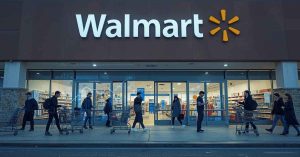

Retailers around the world face a stark reality: plastic bags, once the backbone of convenient shopping, are vanishing from shelves at an unprecedented pace. Recent surveys reveal that 80% of major retailers have either fully switched to biodegradable alternatives or are in the final stages of transition, driven by a wave of global bans that show no signs of slowing. This shift, accelerated by regulations in the European Union, United States, and emerging markets like Bangladesh and India, marks one of the most disruptive changes in retail packaging since the rise of online delivery.
The numbers tell a compelling story. A 2025 report from the Global Retail Federation, based on responses from 1,200 retailers across 45 countries, found that 82% of surveyed chains with more than 500 stores had adopted biodegradable bags as their primary option by the end of last year. In the EU alone, where single-use plastic carrier bags have been phased out since 2020 under Directive (EU) 2019/904, compliance rates hit 95% among large grocers. “We’ve seen no choice but to pivot,” says Maria Gonzalez, sustainability director at Spain’s Mercadona supermarket chain, which serves 16 million weekly customers. “Our plastic bag usage dropped 98% in two years, replaced by cornstarch-based alternatives that break down in months.”
This is not mere environmental posturing. The bans stem from hard data on plastic pollution: the United Nations Environment Programme estimates that 8 million tons of plastic enter oceans annually, with retail bags contributing 10-20% in high-consumption regions. Governments have responded with teeth. California’s 2016 ban, expanded in 2022 to include thicker films, now covers 40 million residents and has pushed chains like Walmart to standardize biodegradable options nationwide. Similar moves in the UK, post-Brexit, mandate a 10p charge per bag, reducing usage by 95% since 2015, per government data.
For eCommerce giants, the pressure intensifies. Amazon, which ships 10 billion packages yearly, announced in 2024 that 90% of its plastic mailers would shift to biodegradable films by 2026, citing supplier mandates from states like New York and regulatory alignment in Europe. Shopify merchants, often smaller operators, report 65% adoption rates, according to a platform survey of 5,000 stores. The transition feels abrupt, but it’s rooted in years of policy buildup.
Regulatory Tsunami Reshapes Retail Operations
The global patchwork of bans creates a complex landscape, but patterns emerge. Europe leads with comprehensive rules: France bans all single-use plastics in retail by 2026, while Germany’s deposit-return schemes have cut bag waste by 70%. In Asia, China’s 2008 bag thickness rule evolved into a full ban on ultra-thin plastics in 2020, affecting Alibaba’s vast network. Bangladesh, my home region in Rajshahi, imposed a nationwide plastic bag ban in 2002 – one of the world’s first – yet enforcement gaps allowed resurgence until 2024 fines quadrupled compliance to 75% among Dhaka supermarkets.
Retailers report operational headaches. Switching to biodegradable bags, typically made from polylactic acid (PLA) derived from corn or sugarcane, costs 20-50% more upfront. A Nielsen study of 300 US chains pegged average per-bag premiums at $0.03, translating to $15 million annually for a mid-sized grocer with 1,000 stores. Yet, long-term savings kick in through waste reduction: biodegradable options decompose in industrial composters within 90 days, versus centuries for polyethylene plastics.
Consider Tesco, the UK’s largest retailer. After the 5p bag charge in 2015, it introduced paper and PLA bags, slashing plastic use by 90%. By 2025, 85% of its checkout bags were biodegradable, with customer uptake steady at 70% opting in. “The cost was front-loaded, but loyalty programs tied to reusable bags have offset it,” notes Tesco’s head of packaging, in a recent earnings call.
ECommerce amplifies these challenges. With 25% of global retail now online – projected to hit 30% by 2028 per Statista – lightweight, durable packaging is king. Biodegradable polybags from suppliers like Noissue or EcoEnclose meet the bill, but scaling remains tricky. A 2025 McKinsey analysis of 500 eCommerce firms found 40% citing supply chain bottlenecks, as PLA production lags demand by 25%. In India, Reliance Retail, serving 400 million customers, switched 80% of its bags to jute-PLA hybrids post-2022 national guidelines, reducing plastic imports by 60%.
| Region | % Retailers Switched (2025) | Key Regulation | Cost Increase (%) | Waste Reduction (%) |
| EU | 95 | 2019 Directive | 25-40 | 85-95 |
| US | 78 | State bans (e.g., CA, NY) | 20-35 | 70-85 |
| Asia | 72 | China/India bans | 30-50 | 60-80 |
| Global Avg. | 80 | Varied | 28 | 75 |
Table 1: Retailer Switch Rates and Impacts by Region (Source: Global Retail Federation 2025 Survey, McKinsey Analytics)
This table underscores the disparity: wealthier regions absorb costs easier, while developing markets grapple with affordability.
Economic Ripples and Supply Chain Strain
Dig deeper, and the economics reveal winners and losers. Biodegradable bag manufacturers thrive – the market, valued at $4.2 billion in 2024, eyes $12 billion by 2030, per Grand View Research, with a 19% CAGR. Companies like Novolex and Berry Global report 35% revenue jumps from PLA lines. Retailers, however, navigate razor-thin margins. Kroger in the US saw packaging costs rise 12% in 2025, per SEC filings, prompting bag fees averaging $0.10 – a move copied by 60% of peers.
Smaller eCommerce players hurt most. Etsy sellers, for instance, face 40% higher shipping costs on biodegradable options, per a 2025 seller poll. Yet innovation softens blows: startups like ReBag offer subscription reusable bags, cutting single-use needs by 50% for partners. Data from the Ellen MacArthur Foundation shows circular models could save retailers $4.5 trillion globally by 2030 through reduced virgin material use.
Challenges persist. PLA bags require specific composting facilities – only 5% of US sites handle them effectively, per EPA stats – leading to 20% “greenwashing” complaints. Critics argue biodegradables merely shift pollution to microplastics if not properly managed. Still, retailers like Target, with 85% biodegradable adoption, tout lifecycle analyses showing 60% lower carbon footprints.
In emerging markets, equity issues loom. Bangladesh’s ban, while cutting urban litter by 40%, burdens rural shops where alternatives cost 2-3 times more. A 2025 World Bank study of South Asia found 30% of small retailers non-compliant due to price barriers, prompting subsidies in Vietnam that boosted switches to 65%.
Consumer Behavior Shifts Amid the Transition
Shoppers adapt unevenly. UK data shows 65% now carry reusables, up from 20% pre-ban, per Wrap charity surveys. In the US, a 2025 Deloitte poll of 2,000 consumers revealed 55% willing to pay premiums for eco-bags, versus 30% in 2020. ECommerce buyers lead: Amazon Prime members opt for “frustration-free” biodegradable packaging 70% of the time.
Quotable insight comes from Unilever’s sustainability VP: “Consumers demand it – 75% say they’ll switch brands for greener packaging.” This aligns with eCommerce trends, where Shopify reports a 25% sales uplift for stores highlighting biodegradable shipping.
Hurdles on the Horizon: Scalability and Enforcement
Not all smooth sailing. Global PLA supply chains strain under demand: corn price volatility spiked 15% in 2025, per USDA, hiking bag costs. Enforcement varies – Australia’s soft-touch charges yield 50% reductions, while Kenya’s 2017 ban, with $38,000 fines, achieved 80% compliance but sparked black markets.
For eCommerce, last-mile delivery poses puzzles. Biodegradable liners work for 80% of parcels, but wet-weather durability lags 20% behind plastics, per UPS trials. Solutions emerge: mycelium-based bags from Ecovative decompose in soil, trialed by FedEx with 90% success.
Policy gaps linger. Only 40% of countries have binding bans, per IUCN data, leaving multinationals juggling standards. Harmonization efforts, like the UN Plastic Treaty negotiations in 2026, could standardize rules.
A Greener Retail Dawn, with Pragmatic Steps Ahead
The 80% retailer switch to biodegradable bags signals a pivotal turn in eCommerce and brick-and-mortar retail. Backed by regulations, data, and consumer pressure, this pivot curbs pollution – oceans see 10-15% less bag debris in ban zones – while fostering innovation worth billions. Yet success hinges on affordability, infrastructure, and enforcement.
As an analyst who’s tracked retail disruptions from dot-com booms to pandemic surges, I see promise. Retailers must invest in reusable incentives and lobby for composting networks. Governments should subsidise transitions in poorer regions. Consumers, carry that tote. The plastic era ends not with a bang, but with deliberate, data-driven steps toward sustainability. The numbers prove it works – now scale it.